Always Active
Required for security, remembering your privacy choice, and core website features. These cannot be switched off.

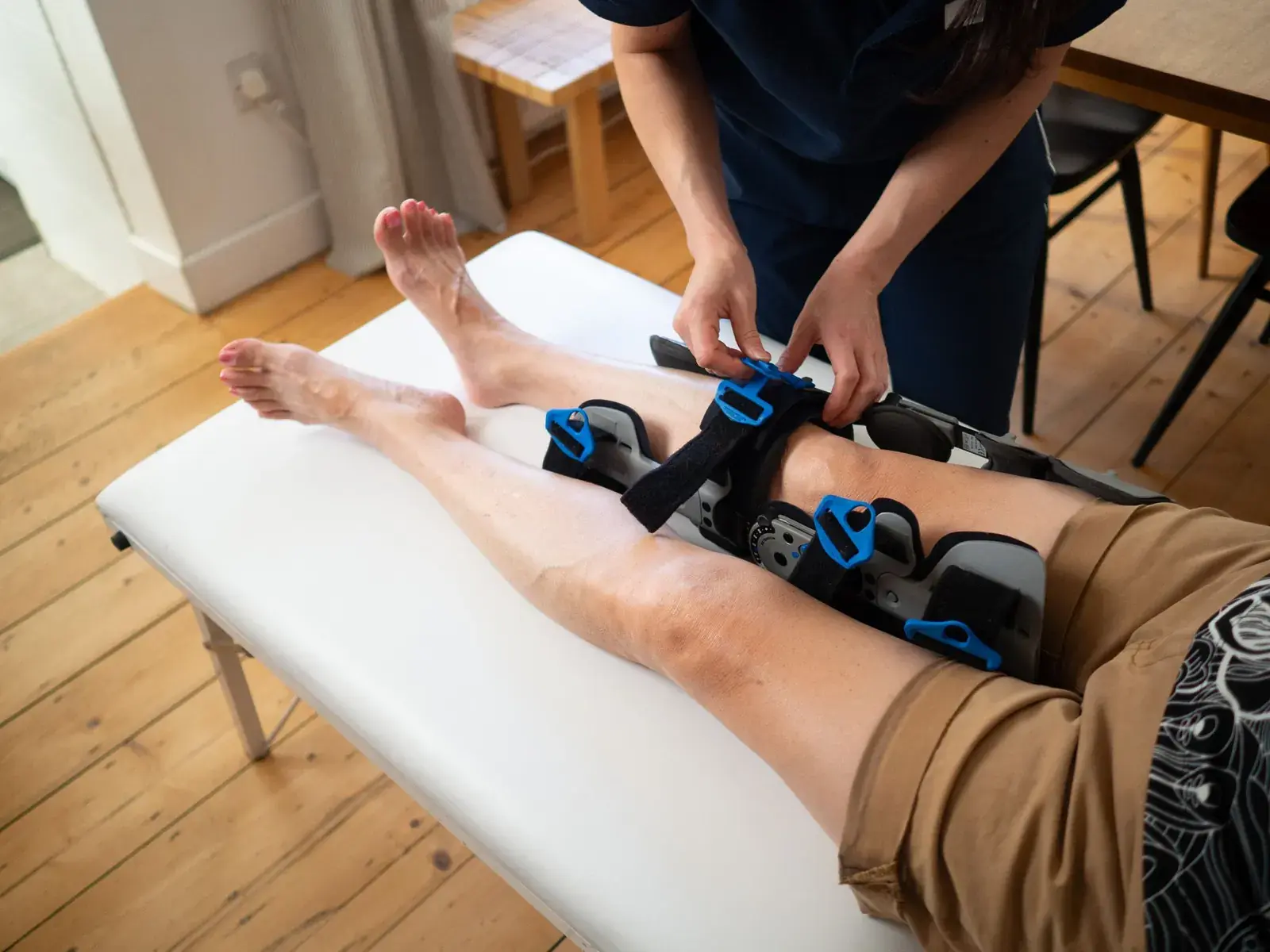
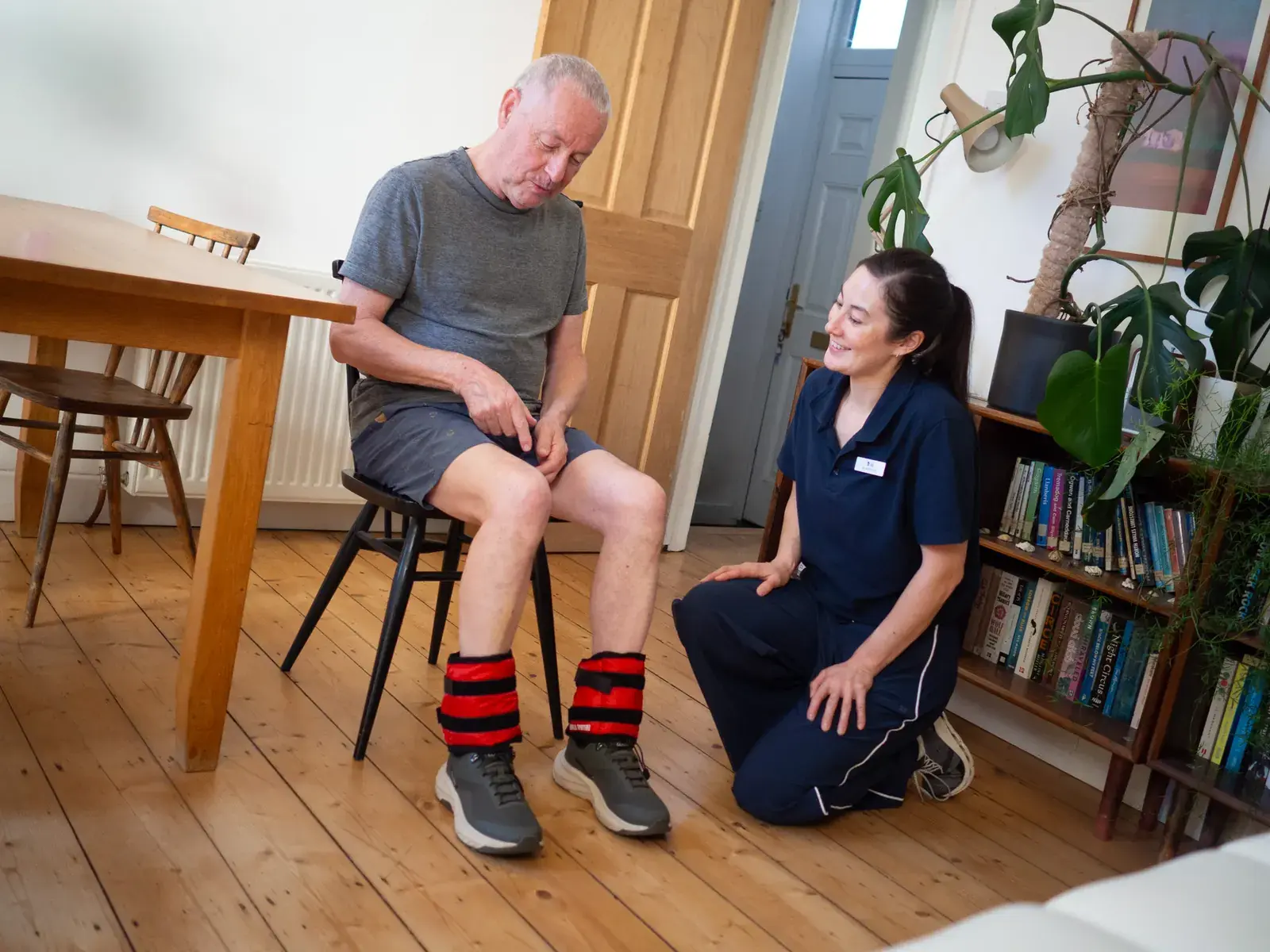
We provide home physiotherapy for people recovering from lower limb fractures, including hip, pelvis, thigh, lower leg, ankle and foot fractures.
This is a particular area of focus for us, drawing on Abi’s extensive experience in orthopaedic and major trauma rehabilitation, including hip fracture recovery.
Home-based rehabilitation is especially valuable here, as lower limb fractures can make it particularly difficult to travel to a clinic. Regaining your mobility within your own home environment means your rehabilitation can happen using the furniture, equipment and stairs that you will be using each day.
Comprehensive assessment. A full assessment of your movement, strength, transfers and mobility - appropriate to your injury and any restrictions you may have while your fracture heals.
Exercises. Support with exercises to regain movement, rebuild strength and improve your balance.
Mobility progression. Support to progress your mobility safely including transfers, walking, and steps or stairs if needed.
Treatment tailored to your injury. Progression in accordance with any instructions or protocols from your consultant or surgeon.
Usually very quickly - often within a few days of your injury or surgery, provided you are medically stable and cleared by your doctor or consultant. Even if you are wearing a cast or brace, or cannot put full weight on your leg, starting early is hugely beneficial. We can safely work on surrounding joints, maintain your strength, and help you stay mobile while the fracture heals.
Usually, yes - most people require a walking aid initially after a lower limb fracture. As your mobility and strength improve, we will work with you to safely reduce your reliance on walking aids over time.
It depends on the severity of your fracture, your overall health, and your personal recovery goals. We will discuss realistic expectations after your initial assessment and regularly review your progress so you stay in control of your care.
Don’t see your exact situation described? Get in touch, we’re happy to discuss whether home physiotherapy could help.